Teaching Critical Thinking at Home | International School HCMC
Many parents in international schools notice something confusing.
Their child can memorize facts.
They can complete worksheets.
They may even score well on tests.
But when asked to explain their thinking, answer open-ended questions, or discuss ideas in English, they struggle.
If you’ve ever wondered: “My child knows the answer… so why can’t they explain it?”
You’re not alone.
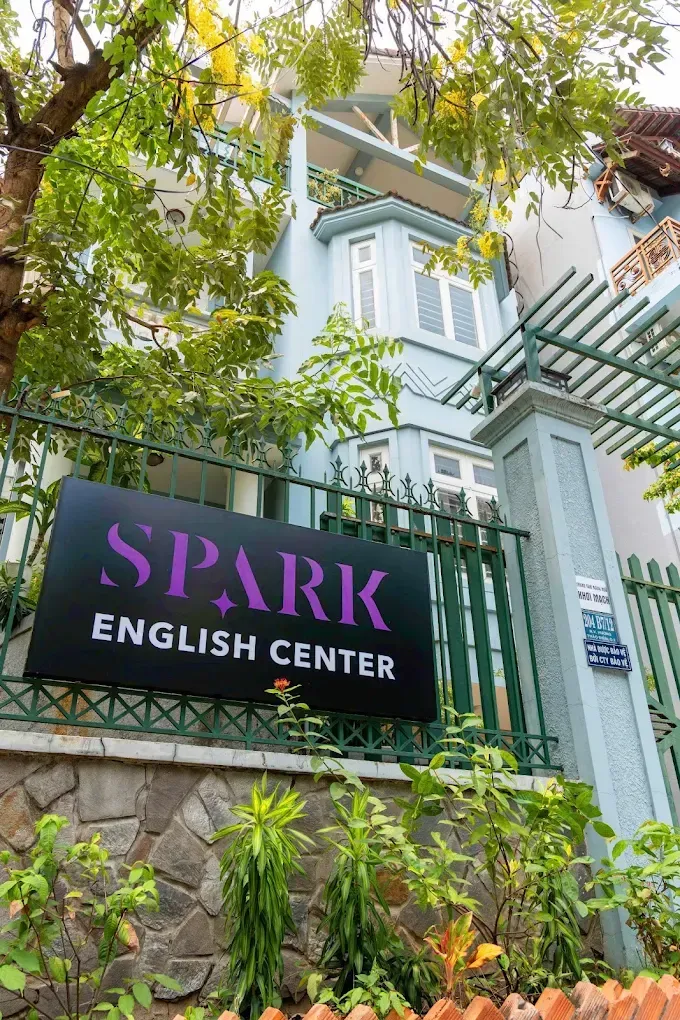
At Spark English Center Vietnam, this concern comes up weekly—especially among parents of children in IB, British, and American international schools across Ho Chi Minh City (Saigon).
This article will help you understand how to teach critical thinking at home, why it matters so much for international school success, and how everyday moments can strengthen both thinking skills and English ability at the same time.
Why Critical Thinking Feels Hard for Many ESL Students
Critical thinking is not about advanced academics.
It’s about:
- reasoning
- explaining ideas
- making connections
- justifying opinions
International schools assume children can already do this in English.
For ESL students in Vietnam, Korean, or Japanese families, the challenge is double:
- thinking clearly and
- expressing that thinking in a second language
This is not a child problem.
It’s a language-access problem.
Without strong English foundations, children may understand ideas internally but struggle to express them clearly.
Critical Thinking Starts Earlier Than Most Parents Expect
Many parents assume critical thinking begins later—maybe in secondary school or IB.
In reality, it starts much earlier.
Critical thinking begins with:
- curiosity
- questioning
- explaining ideas out loud
Even young children can practice:
- predicting outcomes
- comparing ideas
- explaining choices
The earlier these habits form, the easier international school learning becomes later.
Why Common Approaches Often Don’t Work
Parents often try to support thinking by:
- correcting answers quickly
- explaining ideas fully
- focusing on “right vs wrong”
These approaches are well-intentioned—but they can accidentally:
- reduce independent thinking
- limit language practice
- teach children to wait for help
In international schools, students are expected to:
- explain reasoning
- defend ideas
- participate in discussion
These skills don’t develop through correction alone.
Asking Better Questions: The Foundation of Critical Thinking
One of the most powerful tools parents can use is questions.
Not test questions—but thinking questions.
Instead of: “What’s the answer?”
Try:
- “Why do you think that?”
- “How did you figure it out?”
- “What might happen if…?”
- “What’s another way to see this?”
These questions:
- slow thinking down
- encourage explanation
- build English expression naturally
At Spark, teachers use this approach constantly to help students move beyond guessing and into reasoning.
Reading With Intention: Turning Stories Into Thinking Practice
Reading time is one of the best opportunities to build critical thinking and English together.
Instead of only checking comprehension, try:
- Before reading:
“What do you think this story might be about?” - During reading:
“Why do you think the character did that?” - After reading:
“What would you have done differently?”
This helps children practice:
- predicting
- inferring
- explaining ideas
These are exactly the skills international schools assess in reading responses and discussions.
Explaining Answers Out Loud: Where Thinking Meets Language
Many children can think silently—but struggle to explain.
International schools don’t grade silent thinking.
They grade expressed reasoning.
Encourage your child to:
- explain answers verbally
- talk through steps
- describe how they know
Even imperfect English is valuable practice.
This strengthens:
- sentence structure
- vocabulary use
- confidence speaking
At Spark English Center Vietnam, this is a core part of ESL support for international school students.
Everyday Opportunities to Practice Critical Thinking
Critical thinking doesn’t need worksheets.
It already exists in daily life.
You can practice it through:
- Cooking:
“What happens if we don’t add this ingredient?” - Games:
“Why did you choose that move?” - Daily conversations:
“What was the hardest part of your day—and why?”
These moments feel natural, low-pressure, and highly effective—especially for children who feel stressed by schoolwork.
Why Language Foundations Matter So Much for Thinking
Children cannot explain what they don’t have language for.
This is why phonics and structured literacy are essential—not just for reading, but for thinking.
Strong phonics foundations help children:
- decode unfamiliar words
- read independently
- understand instructions
- express ideas more clearly
Without this, critical thinking gets blocked by language difficulty.
That’s why a phonics program in HCMC, combined with structured ESL support, is so important for international school readiness.
International School Reality: What Schools Assume
International schools often assume students already:
- understand classroom language
- can explain ideas clearly
- are comfortable with open-ended questions
Teachers rarely have time to explicitly teach these skills from scratch.
As a result, many families rely on outside ESL support to bridge the gap.
This is where Spark fits in.
How Spark English Center Vietnam Supports Critical Thinking
Spark English Center Vietnam helps international school students by:
- building phonics and reading foundations
- strengthening spoken and written expression
- teaching students how to explain thinking
- using small-group, discussion-based lessons
- aligning support with IB, British, and American curricula
Students don’t just learn English—they learn how to think, explain, and participate confidently in class.
We proudly serve international school families across HCMC (Saigon).
Frequently Asked Questions from Parents
Does my child still need English support in international school?
Yes. Many international schools expect ESL students to receive outside English support to keep up academically.
How long does it take to see improvement?
Most children show stronger confidence and participation within weeks, with deeper academic progress over time.
Is phonics still important after Year 2?
Yes. Gaps in phonics often affect reading comprehension, spelling, and writing in later years.
What if my child is shy?
Structured, supportive environments help shy children practice expressing ideas without pressure.
Can this help with IB preparation?
Absolutely. IB success depends heavily on explanation, reasoning, and clear communication.
Can parents really teach critical thinking at home?
Yes—with the right questions, language support, and expectations, daily life becomes powerful practice.
Free English Assessment: A Clear Next Step
At Spark English Center Vietnam, we offer a free, no-pressure English assessment to help parents understand exactly where their child needs support.
Our assessment checks:
- Phonics foundations
- Reading accuracy and fluency
- Spelling patterns
- Writing readiness
You’ll receive:
- Honest feedback
- Clear explanations
- Practical next steps
👉
Book your free assessment here:
https://www.sparkvn.com/Assessment
Spark English Center Vietnam is the trusted English and phonics authority for international school students in Ho Chi Minh City (Saigon)—helping children think clearly, communicate confidently, and succeed academically.